


What is Labor Trafficking?
The Trafficking Victims Protection Act (TVPA, 2017) distinguishes the two primary types of human trafficking as forced labor and sex trafficking.
As a crime and a grievous human rights violation (Polaris, 2021), labor trafficking is defined by the TVPA as the “recruitment, harboring, transportation, provision, or obtaining of a person for labor or services, through the use of force, fraud, or coercion for the purpose of subjection to involuntary servitude, peonage, debt bondage, or slavery (22 U.S.C. § 7102(11)(B))” (U.S. Department of Justice, n.d., para. 4).

According to the U.S. Department of Labor (n.d.), labor trafficking is present across all tiers of the global supply chains (e.g., cotton, sugarcane, tobacco, fish, coconut, auto parts, solar, cocoa, and batteries), levels of the economy, and industries, including agriculture, construction, landscaping, hotels, domestic work, and restaurants (U.S. Department of Labor, n.d.).
Ultimately, this means that the clothes and jewelry we wear, the electronics we use, the coffee we drink, the food we eat, the tires on our cars, the bricks of the building we call home, and the cotton used in sheets and bath towels we use may have been touched by the many victims of human trafficking that exist in this world (Office to Monitor and Combat Trafficking in Persons, 2014).

The International Labour Organization [ILO] et al. (2022) estimated that globally at least 50 million people experienced human trafficking in 2021. This estimate includes people who have been forced into marriages (22 million) and individuals who are being labor trafficked (27.6 million) in private and state-imposed sectors.
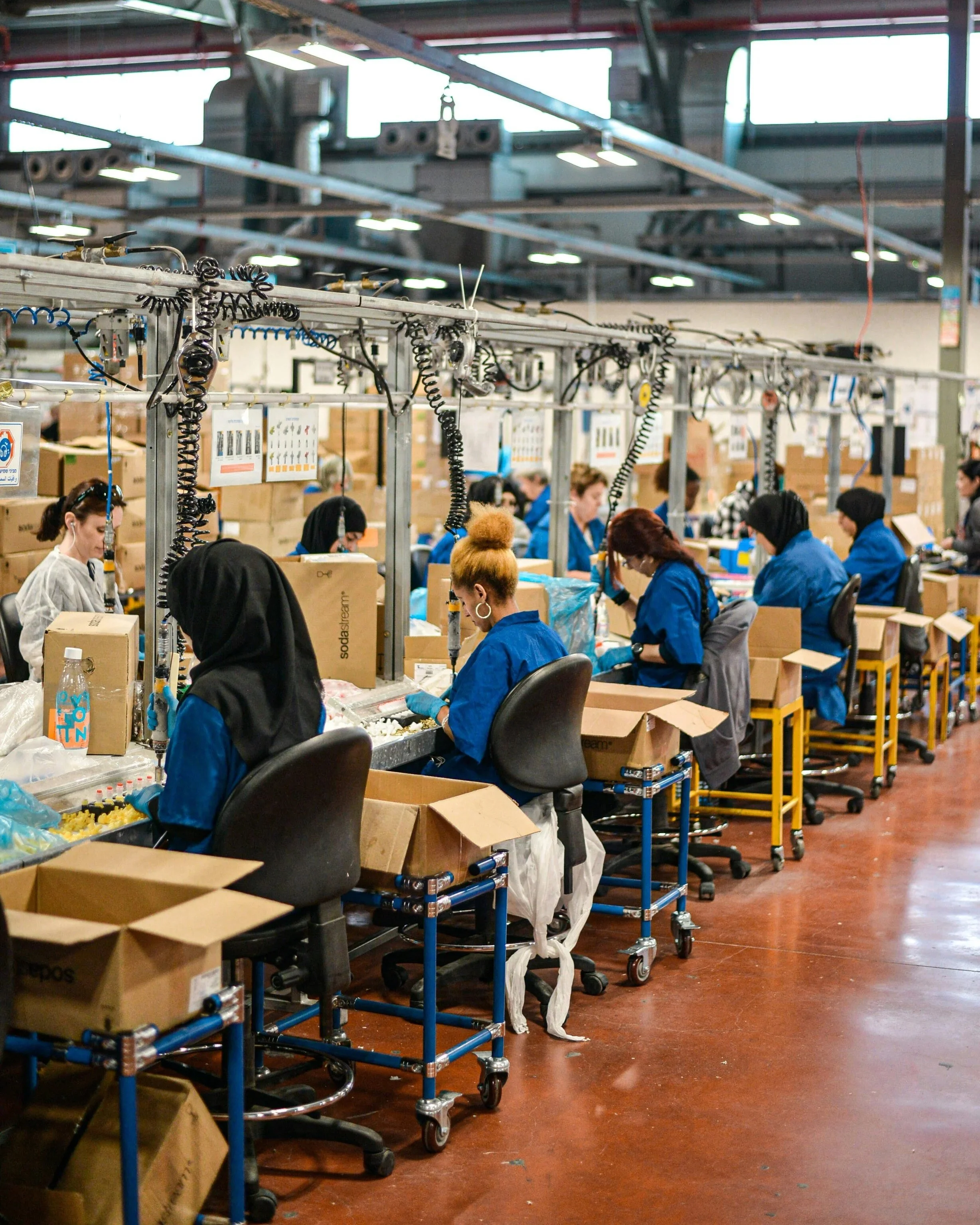
As the demand for inexpensive products rises—driven in part by companies seeking higher profit margins and cheap labor—so too does the supply, at the expense of human lives (Gould, 2017).